
From the View of the Artist’s Eyes
We can not say that art is one thousand years old or any other number. We can say…
Read story
Focus is hard to keep in this 21st century. A sensational history book is rocking the world right now, your favorite series just launches ten more episodes on Netflix, your friend has just started a new podcast series in YouTube, and your co-worker has successfully finished another online course and shared on LinkedIn.
Why not listening to a series of effective time management tips while you are cooking food? Isn’t an online meeting the best time to check your e-mails? How do I do more when we have such little time?
We have been taught that multitasking is an exceptional skill that boomers simply fail. Along with other millennials, we take pride in texting our friends while we are talking with talking with other family.
We use time better than other people, and therefore we are more superior as we have done so much in a short time period so why are we bragging about it? Don’t get me wrong. Time is so limited, and we are trying to make the most of it. There is nothing wrong about it.
There is a reason why doing more than one thing at a time becomes so cool! Our brain has not been stimulated more than ever in history. We are bombarded daily with many distractions and interruptions with social media notifications, e-mails and breaking news. Everything seems urgent; messages should be answered, photos should be liked, and your e-mails can’t wait. That’s why we lose focus.
First of all, we have to do that! The most distinctive organ that separates us from all intelligence creatures a.k.a brain cannot function properly at this pace. Although it may seem harmless, multitasking can kill your brain. MIT neuroscientist Earl Miller notes that our brains are “not wired to multitask well… when people think they’re multitasking, they’re actually just switching from one task to another very rapidly. And every time they do, there’s a cognitive cost.”
Also, another research by the American Psychological Association shows switching between tasks reduces productivity by 40%. To put it in other words, regardless of our capability to learn and assimilate a lot of things, we are originally designed to do one thing at a time.

Monotasking enables you to be present. When we focus on friends at the dining table, we can use proactive active listening that helps us stay focused and strengthen our relationships. You can be aware of yourself and the situation.
This is mindfulness, in the heart of monotasking. Be there with one thing. Stay calm. Be reflective. When you put your focus on one thing and one thing only, you’ll do a better job. You’ll have more control over your emotions and mental state. You’ll get more done, sooner.
There are many possible ways to stay productive when you are holding on to the monotasking. You should practice setting boundaries to decide when to turn off your notifications or check your e-mails. After a few days of observation, you can make sure that if lunchtime is a perfect time to start a new project or check your timelines.
These are a few baby steps to create a healthy pattern:
Here is the lesson to learn. Be aware of what you might lose in the pursuit of productivity. Maybe you should revise your resume and not present multitasking as a working skill from now on.
More stories
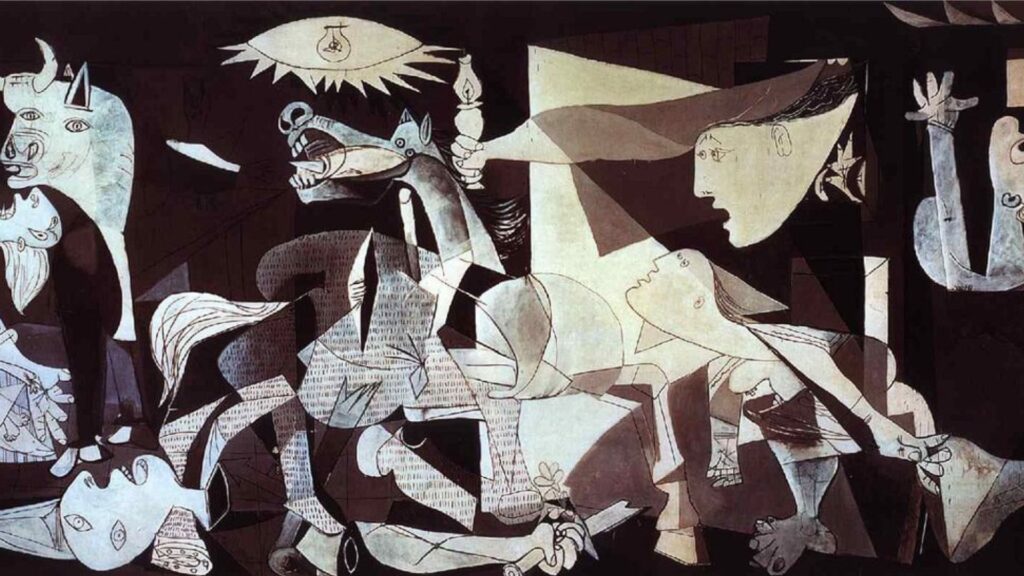
We can not say that art is one thousand years old or any other number. We can say…
Read story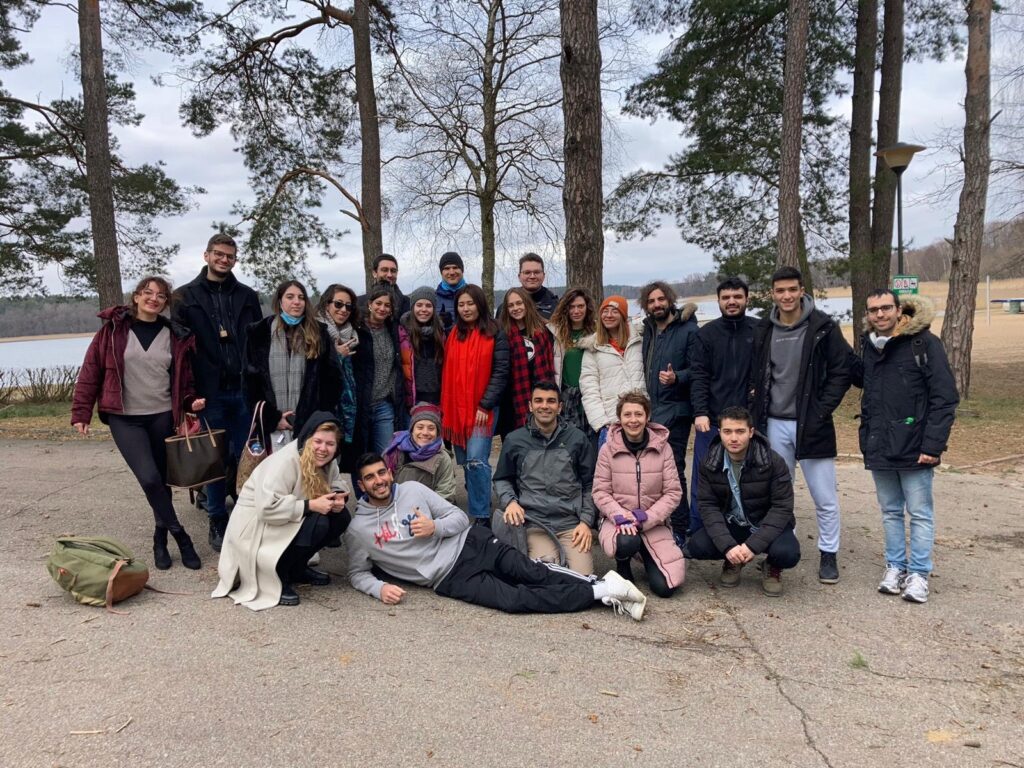
Hello, I’m Abraham. I like telling my adventure. Also, I want to tell you about my experiences in…
Read story
About 1,5 months ago, I had my first Erasmus+ experience within the Positive Impact Association. The youth exchange…
Read storyKeep exploring
Discover international projects, educational programs and opportunities to get involved.